When it comes to protecting critical infrastructure, such as bridges, dams, and pipelines, seismic wire rope plays a vital role in ensuring the safety and security of these structures. This specialized type of wire rope is designed to withstand the intense forces generated by seismic events, providing a crucial line of defense against potential damage and collapse. In this article, we will explore the importance of seismic wire rope and how it contributes to the resilience of critical infrastructure.
seismic wire rope is constructed using high-strength steel wires that are carefully woven together to create a durable and flexible cable. This construction allows the wire rope to absorb and dissipate the energy generated by seismic activity, helping to reduce the strain on the infrastructure it supports. Additionally, seismic wire rope is often coated with a protective layer to enhance its resistance to corrosion and abrasion, ensuring its longevity and reliability in harsh environmental conditions.
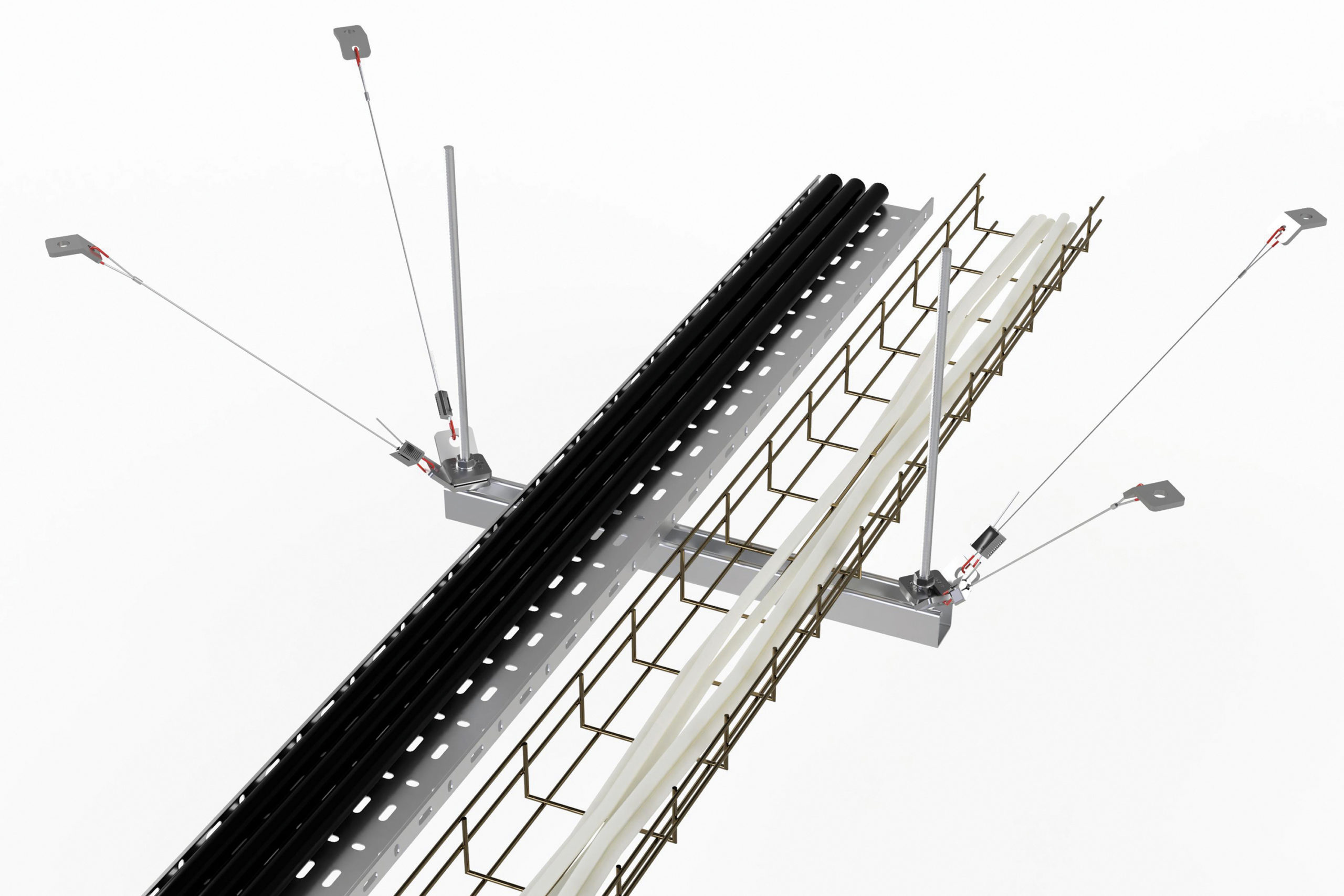
One of the key functions of seismic wire rope is to provide stability and support to structures during seismic events. When an earthquake or other seismic event occurs, the ground experiences intense shaking and movement, which can put immense strain on bridges, dams, and other critical infrastructure. seismic wire rope acts as a shock absorber, absorbing the energy generated by the seismic activity and reducing the impact on the structure it is supporting. This helps to prevent damage and collapse, ultimately saving lives and protecting the integrity of the infrastructure.
In addition to its role in seismic events, seismic wire rope also plays a crucial role in other situations where infrastructure may be at risk. For example, in areas prone to high winds or heavy snow loads, seismic wire rope can help to stabilize bridges and other structures, preventing them from swaying or buckling under the pressure. This added support ensures the safety and reliability of critical infrastructure, even in challenging weather conditions.
The importance of seismic wire rope is further underscored by its widespread use in a variety of critical infrastructure projects around the world. From earthquake-prone regions in California and Japan to regions prone to hurricanes and typhoons in the Caribbean and Southeast Asia, seismic wire rope is an essential component of disaster resilience planning. By incorporating seismic wire rope into the design and construction of critical infrastructure, engineers and builders can mitigate the risks associated with natural disasters and ensure the long-term safety and stability of these structures.
Furthermore, seismic wire rope is often used in combination with other seismic mitigation measures, such as base isolators and damping systems, to provide comprehensive protection against seismic events. By integrating these technologies, engineers can create a multi-layered defense system that enhances the resilience of critical infrastructure and minimizes the potential for damage and collapse. This proactive approach to seismic risk management is essential for safeguarding lives and property in earthquake-prone areas.
In conclusion, seismic wire rope plays a critical role in protecting critical infrastructure from the devastating effects of seismic events. By absorbing and dissipating the energy generated by earthquakes and other seismic activity, seismic wire rope provides essential support and stability to bridges, dams, pipelines, and other structures. Its durability, flexibility, and resistance to corrosion make it a reliable and cost-effective solution for enhancing the resilience of critical infrastructure projects around the world. As engineers continue to innovate and improve seismic mitigation technologies, seismic wire rope will remain a cornerstone of disaster resilience planning for years to come.